
The January 2026 Dental Bytes newsletter highlights infection control best practices, ADA dental economy updates, HIPAA enforcement actions, and seasonal preparedness tips for dental professionals.
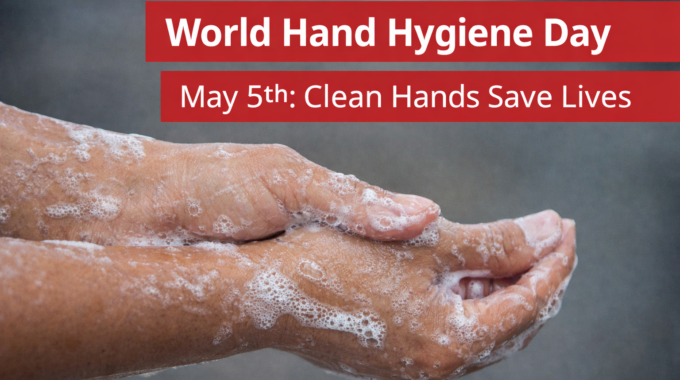
World Hand Hygiene Day – May 5th: A Timely Reminder for Dental Practices
Introduction
Every year on May 5th, healthcare providers worldwide recognize World Hand Hygiene Day—a reminder that one of the simplest clinical actions is also one of the most critical for patient safety.
In dental settings, where dental healthcare personnel (DHCP) work in close contact with saliva, blood, and aerosols, proper hand hygiene isn’t just recommended—it’s essential.
Why Hand Hygiene Matters in Dentistry
According to the CDC, proper hand hygiene is one of the most effective ways to prevent the spread of infections in healthcare environments.
- Reduces transmission of harmful pathogens
- Helps prevent antibiotic-resistant infections
- Protects both patients and clinical staff
Despite its importance, compliance remains a challenge. Studies show healthcare providers clean their hands less than 50% of the times they should, contributing to preventable infections.
CDC Hand Hygiene Expectations for Dental Healthcare Personnel
The CDC identifies hand hygiene as the single most important measure for preventing infection transmission in dental settings.
When Should DHCP Perform Hand Hygiene?
- Before and after treating each patient
- Before putting on gloves and immediately after removing them
- After contact with blood, saliva, or contaminated surfaces
- When hands are visibly soiled
What Should Be Used?
Soap and Water
- Required when hands are visibly contaminated
- Necessary after exposure to blood, saliva, or debris
Alcohol-Based Hand Rub (ABHR)
- 65–90% ethyl alcohol
- Appropriate when hands are not visibly soiled
Technique Matters
Proper technique is just as important as frequency:
- Wash hands with soap and water for 15–20 seconds, covering all surfaces
- Use sanitizer and rub thoroughly until dry (~20 seconds)
The Reality in Dental Practice
Dental healthcare personnel may need to clean their hands dozens—sometimes up to 100 times per shift to maintain a safe clinical environment.
While demanding, this highlights an important truth:
Every patient interaction is an opportunity to prevent infection.
Using World Hand Hygiene Day as a Practice Reset
May 5th is more than a symbolic observance—it’s a strategic opportunity for dental offices to strengthen infection control protocols.
Consider Taking Action:
- Reinforce staff training on hand hygiene protocols
- Audit compliance and technique
- Ensure easy access to sinks, soap, and sanitizer
- Evaluate placement of hand hygiene stations
- Recommit to a culture of safety and accountability
Bottom Line
In dentistry, clean hands protect everyone—patients, staff, and the practice itself.
World Hand Hygiene Day is the perfect time to revisit your protocols and ensure that proper hand hygiene is performed consistently and correctly, every time.
Stay Compliant with OSHA Review
Maintaining proper hand hygiene is just one part of a comprehensive infection control program. Dental practices in California must also meet Cal/OSHA and Dental Board of California requirements for ongoing compliance.
👉 Learn more about our California Dental OSHA Compliance Program.
Our program is specifically designed for California dental practices, providing up-to-date training, regulatory guidance, and practical tools to help your office stay compliant and inspection-ready.

Related Posts