Do you know how long your dental practice must keep employee medical and exposure records?…
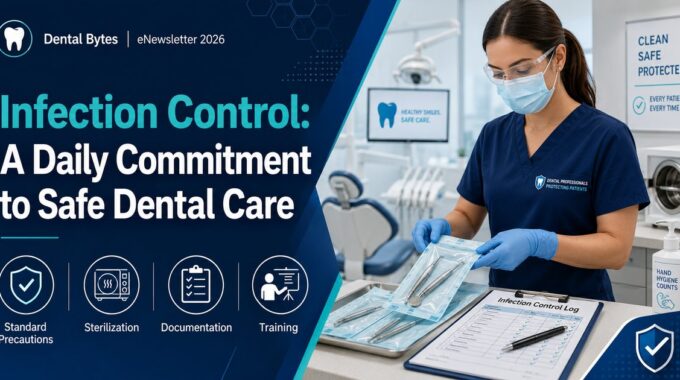
Infection Control: A Daily Commitment to Safe Dental Care
Infection prevention and control are among the most important responsibilities in every dental practice. Patients trust that their care will be delivered in a safe environment, and maintaining that trust requires every member of the dental team to consistently follow standard precautions and established infection control protocols.
This post is part of our Dental Bytes eNewsletter 2026 hub, where you can access each monthly issue.
A recent disciplinary case in Iowa is a timely reminder that infection control extends beyond sterilizing instruments. The Iowa Dental Board fined a dentist and required remedial education after an inspection identified multiple deficiencies, including improperly labeled biohazard containers, uncovered contaminated instruments being transported for processing, incomplete biological monitoring (spore testing) records, and operatory cleaning performed by personnel who lacked the required training or supervision. While this case occurred in one state, the message applies to every dental practice: infection control is only effective when policies are consistently followed and properly documented.
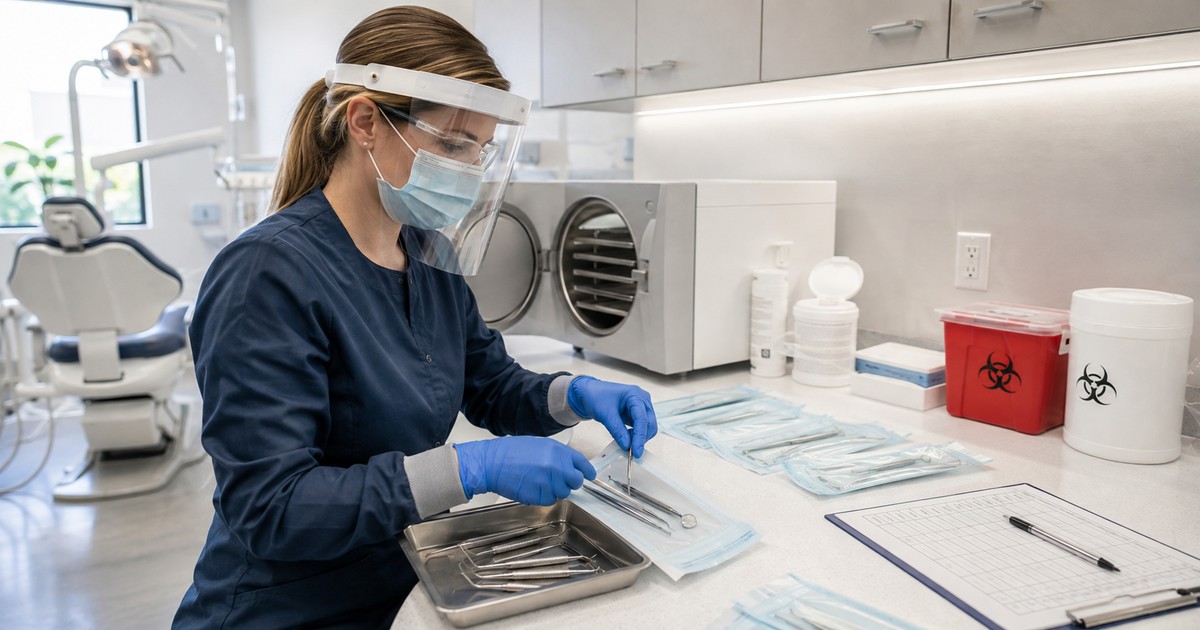
Standard precautions are infection control practices recommended by the US Centers for Disease Control and Prevention (CDC) and required under Occupational Safety and Health Administration (OSHA) regulations. They are the foundation of infection prevention in dentistry and should be applied during the care of every patient. Practices should routinely review key procedures, including hand hygiene, proper use of personal protective equipment (PPE), instrument cleaning and sterilization, environmental surface disinfection, safe handling of contaminated instruments, and appropriate disposal of regulated medical waste. Just as important is maintaining complete documentation of biological monitoring, sterilizer maintenance, staff training, and any corrective actions taken when problems are identified.
Regular self-audits can help identify small issues before they become larger compliance or patient safety concerns. Taking time to evaluate your infection control program, reinforce staff training, and ensure documentation is complete can strengthen your practice and help protect both patients and dental personnel.
Infection control is not simply a regulatory requirement — it’s a commitment to providing safe, high-quality care every day. Consistent adherence to standard precautions remains one of the most effective ways to reduce the risk of disease transmission and maintain the confidence that patients place in your practice.
Related OSHA Review Resources
- Dental Bytes eNewsletter 2026 Hub
- Dental Bytes eNewsletter – August 2026
- OSHA Review Compliance Program
About OSHA Review, Inc.
Since 1992, OSHA Review, Inc. has supported dental professionals with regulatory compliance resources, infection control guidance, continuing education, sterilizer monitoring, surface disinfectant products, and dosimetry monitoring services. For more information, visit oshareview.com or call 800-555-6248.
This post is part of the Dental Bytes eNewsletter 2026 series. Visit the hub to access all monthly updates.

Related Posts