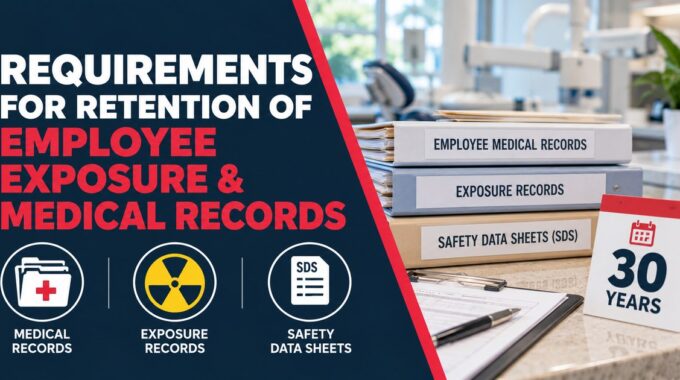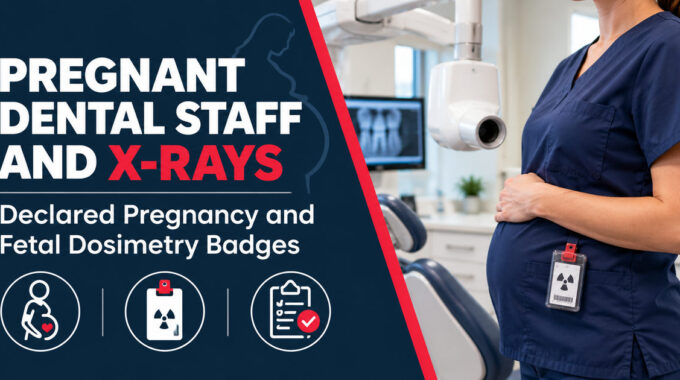
Do you know how long your dental practice must keep employee medical and exposure records?…
July 28 Is World Hepatitis Day: What Dental Practices Need to Know
July 28 is World Hepatitis Day, an annual global observance established by the World Health Organization (WHO) to raise awareness about viral hepatitis and accelerate progress toward its elimination as a public health threat. The date was chosen to mark the birthday of Dr. Baruch Blumberg, the Nobel Prize-winning scientist who discovered the hepatitis B virus (HBV) and developed the first hepatitis B vaccine.
For dental practices, World Hepatitis Day is a timely reminder of the bloodborne pathogen risks that are part of daily practice — and of the obligations dental employers have under OSHA’s Bloodborne Pathogens Standard to protect their teams.
This post is part of our Dental Bytes eNewsletter 2026 hub, where you can access each monthly issue.
Hepatitis B and C: The Global Picture
According to the WHO, more than 300 million people worldwide are living with hepatitis B or C, and viral hepatitis causes approximately 1 million deaths annually. Despite the existence of effective vaccines and treatments, the vast majority of people living with chronic hepatitis are undiagnosed and untreated. The WHO has set a target to eliminate viral hepatitis as a major public health threat by 2030, but current testing and treatment coverage falls well short of what is needed to reach that goal.
Hepatitis B and C are both transmitted through contact with infected blood and body fluids — making dental healthcare workers an occupationally exposed population that warrants particular attention.
Why Hepatitis Matters in the Dental Setting
Dental professionals work with sharp instruments, handle blood and oral fluids, and are at risk for needlestick and sharps injuries. Hepatitis B virus is significantly more transmissible through needlestick exposure than HIV, making HBV vaccination and proper sharps handling especially important in the dental environment.
Key facts for dental practice teams:
- OSHA requires employers to offer hepatitis B vaccination to all employees who have occupational exposure to blood or other potentially infectious materials (OPIM). The vaccination must be offered at no cost to the employee, at a reasonable time and place, and after required bloodborne pathogen training.
- Employees may decline the HBV vaccination, but they must sign a declination form. If they later wish to receive it, the employer must make it available.
- There is no vaccine for hepatitis C, which makes consistent use of standard precautions — including proper sharps handling, gloves, and hand hygiene — the primary defense for dental workers.
- All dental practices should have a written Exposure Control Plan that addresses bloodborne pathogen risks, including HBV and HCV transmission routes and post-exposure protocols.
OSHA Bloodborne Pathogens Compliance Reminders
World Hepatitis Day is a good time to verify your practice is current on the following OSHA Bloodborne Pathogens Standard requirements:
- Exposure Control Plan is in writing, site-specific, and reviewed and updated annually
- HBV vaccination has been offered to all occupationally exposed employees and declination forms are on file for those who declined
- Engineering controls (safety-engineered sharps, sharps containers) are in use and documented
- Post-exposure incident procedures are in place and all staff know how to follow them
- Annual bloodborne pathogen training is current and documented for all exposed employees
Quick Summary
- World Hepatitis Day is observed July 28 each year, named for Dr. Baruch Blumberg, discoverer of the hepatitis B virus.
- More than 300 million people worldwide live with chronic hepatitis B or C; the WHO aims to eliminate viral hepatitis by 2030.
- OSHA requires dental employers to offer hepatitis B vaccination at no cost to all occupationally exposed employees.
- There is no vaccine for hepatitis C; standard precautions and sharps safety are the primary protections.
- Use this observance to review your Exposure Control Plan, vaccination records, and annual training documentation.
Related OSHA Review Resources
About OSHA Review, Inc.
Since 1992, OSHA Review, Inc. has supported dental professionals with regulatory compliance resources, infection control guidance, continuing education, sterilizer monitoring, surface disinfectant products, and dosimetry monitoring services. For more information, visit oshareview.com or call 800-555-6248.
This post is part of the Dental Bytes eNewsletter 2026 series. Visit the hub to access all monthly updates.

Related Posts