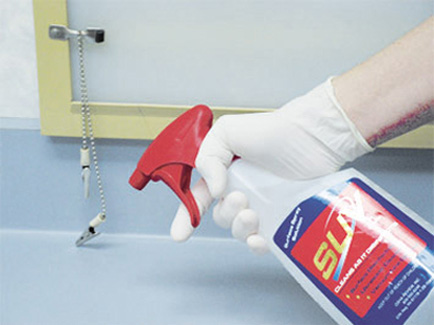
The October 2026 issue of Dental Bytes covers a flu season reminder for dental teams,…
Indiana Dental Spore Testing Requirements (2026 Guide)
Are Indiana Dental Offices Required to Perform Spore Testing?
Yes — in practice. Indiana’s own regulatory text doesn’t name spore testing directly. Instead, 828 IAC 1-1-15(a)(4) defines “dental incompetence or improper conduct” to include “operating an office or treatment facility that is lacking the necessary equipment and generally prevailing standards of sanitary or sterilization procedures.” That single clause — not a numeric testing schedule — is what obligates Indiana dental offices to follow CDC-recognized sterilization monitoring, including weekly biological spore testing.
Spore testing is one of three types of sterilization monitoring the CDC recommends — mechanical, chemical, and biological. Each confirms something different about a sterilization cycle.
Indiana’s rule also treats “repeatedly failing to meet minimum standards of performance in diagnosis or treatment as measured against generally prevailing professional standards” as gross negligence under 828 IAC 1-1-15(a)(7) — a second hook that ties sterilization compliance to the CDC’s nationally recognized guidelines, since those guidelines are what “generally prevailing professional standards” means in practice.
Indiana is also one of a smaller group of states with its own state-run OSHA program: the Indiana Occupational Safety and Health Administration (IOSHA), part of the Indiana Department of Labor, gives Indiana dental offices two separate, active enforcement paths rather than relying on federal OSHA alone.
This guide covers what 828 IAC 1-1-15 actually says, how the “generally prevailing standards” language pulls in CDC guidance, and how IOSHA layers on top of State Board of Dentistry oversight.
Indiana Dental Spore Testing Requirements at a Glance
| Requirement | Indiana Standard |
|---|---|
| Spore testing requirement | Not named explicitly; “generally prevailing standards of sanitary or sterilization procedures” required (828 IAC 1-1-15(a)(4)) |
| Practical frequency | Weekly biological monitoring, imported via CDC guidelines as the “generally prevailing professional standard” |
| Related violation | Gross negligence / repeated failure to meet minimum standards (828 IAC 1-1-15(a)(7)) |
| Governing regulation | Indiana Administrative Code Title 828, Article 1, Rule 1-1 (828 IAC 1-1-15) |
| Regulating body | Indiana State Board of Dentistry |
| Disciplinary authority | IC 25-1-9-9 (disciplinary sanctions for regulated occupations) |
| State OSHA plan | Yes — Indiana Occupational Safety and Health Administration (IOSHA), covering private-sector workplaces |
| Enforcement agencies | Indiana State Board of Dentistry + IOSHA (Indiana Dept. of Labor) |
The Indiana Regulatory Framework for Dental Spore Testing
828 IAC 1-1-15 — Professional Conduct, Competency
Indiana’s sterilization requirement lives inside a broader professional-conduct rule rather than a dedicated infection-control chapter. Under 828 IAC 1-1-15(a)(4), dental incompetence or improper conduct includes:
“Operating an office or treatment facility that is lacking the necessary equipment and generally prevailing standards of sanitary or sterilization procedures.”
The rule doesn’t define “generally prevailing standards” with a number, a testing method, or a frequency. In practice, that phrase is understood to mean the CDC’s Guidelines for Infection Control in Dental Health-Care Settings — the nationally recognized standard every dental board in the country references when its own code goes quiet on specifics.
Gross Negligence Under 828 IAC 1-1-15(a)(7)
A second, related clause reinforces the same point. 828 IAC 1-1-15(a)(7) defines gross negligence to include “repeatedly failing to meet minimum standards of performance in diagnosis or treatment as measured against generally prevailing professional standards.” A pattern of skipped or undocumented spore testing could be read as exactly this kind of repeated failure — measured against the same CDC-based standard invoked in subsection (4).
Board Discipline Under IC 25-1-9-9
Violations of 828 IAC 1-1-15, including the sanitation and sterilization clause, are subject to disciplinary action by the Indiana State Board of Dentistry under IC 25-1-9-9, Indiana’s general disciplinary sanctions statute for regulated occupations and professions.
IOSHA — Indiana’s Own State OSHA Plan
Unlike several neighboring states, Indiana operates its own OSHA-approved state plan through the Indiana Occupational Safety and Health Administration (IOSHA), part of the Indiana Department of Labor. IOSHA has jurisdiction over most private and public-sector workplaces in the state, including dental practices, and enforces the Bloodborne Pathogens Standard directly rather than deferring to a federal OSHA area office. That gives Indiana dental offices two genuinely separate enforcement bodies: the State Board of Dentistry for licensure and infection control compliance, and IOSHA for workplace safety compliance.
What Indiana Dental Offices Should Actually Do
1. Perform Weekly Biological (Spore) Testing
Even though 828 IAC 1-1-15 doesn’t name spore testing, treat CDC’s “at least weekly” biological monitoring standard as what “generally prevailing standards” means in an Indiana Board investigation.
2. Use a Matching Control Indicator
Run a control biological indicator from the same lot alongside your test spore strip with every cycle tested.
3. Layer in Mechanical and Chemical Indicators
Monitor time, temperature, and pressure for every load, and use a chemical indicator inside every instrument package.
4. Document Everything
Because Indiana’s rule doesn’t specify a testing interval, your written logs are the clearest evidence that your sterilization procedures meet “generally prevailing standards.” Keep results, dates, sterilizer IDs, and corrective actions on file.
5. Train Staff Annually
828 IAC 1-1-15’s competency standard applies to the practice as a whole; make sure every clinical staff member understands sterilization workflows and documentation requirements.
6. Maintain Separate IOSHA Compliance
Keep your Bloodborne Pathogens Exposure Control Plan, training records, and PPE documentation current — IOSHA inspections are independent of Board of Dentistry review.
What to Do If a Spore Test Fails in Indiana
Indiana’s code doesn’t spell out a positive-test protocol, so follow CDC guidance directly:
- Remove the sterilizer from service immediately
- Review loading procedures, indicator expiration, and cycle parameters for cause
- Retest after any corrective action or repair before returning the unit to service
- Document the failure, corrective steps, and retest result — this record is your evidence of meeting “generally prevailing standards” under 828 IAC 1-1-15
For a full step-by-step protocol, see our guide: What Happens If Your Spore Test Fails?
Who Enforces Spore Testing Requirements in Indiana?
1. Indiana State Board of Dentistry
The Board administers 828 IAC and can pursue disciplinary action under IC 25-1-9-9 for infection control violations framed as improper conduct or gross negligence.
2. Indiana Occupational Safety and Health Administration (IOSHA)
IOSHA enforces the Bloodborne Pathogens Standard and other workplace safety rules directly in Indiana dental offices, independent of the Board’s licensure process.
Indiana Spore Testing Compliance Checklist
✅ Biological spore testing performed at least weekly on every sterilizer
✅ Matching control indicator run from the same lot
✅ Chemical indicator used inside every instrument package
✅ Mechanical monitoring (time/temperature/pressure) recorded for every load
✅ Office equipped to “generally prevailing standards” of sanitary and sterilization procedure
✅ Written logs kept for every test, date, sterilizer, and outcome
✅ Clinical staff trained annually on sterilization and infection control
✅ IOSHA Bloodborne Pathogens compliance documentation current and accessible
✅ Office prepared to demonstrate compliance if a Board complaint or IOSHA inspection occurs
How Often Should Indiana Dental Offices Test?
Indiana’s own rule says only that sterilization procedures must meet “generally prevailing standards” — but that phrase is understood to mean the CDC’s weekly biological monitoring standard. Without a codified interval in Indiana’s own code, testing weekly and documenting it consistently is the clearest way to demonstrate compliance if the Board or IOSHA ever asks.
For a full breakdown of testing frequency best practices, see: How Often Do Dental Offices Need Spore Testing?
Frequently Asked Questions: Indiana Dental Spore Testing
Does Indiana law require biological spore testing by name?
No. 828 IAC 1-1-15(a)(4) requires “generally prevailing standards of sanitary or sterilization procedures” without naming biological indicators or spore testing specifically. The CDC’s weekly biological monitoring standard fills that gap in practice.
What happens if an Indiana dental office doesn’t follow sterilization standards?
It can be treated as dental incompetence or improper conduct under 828 IAC 1-1-15(a)(4), or as gross negligence under 828 IAC 1-1-15(a)(7) if the failures are repeated — both subject to Board discipline under IC 25-1-9-9.
Does Indiana have its own OSHA program?
Yes. Indiana operates its own state OSHA plan through IOSHA, the Indiana Occupational Safety and Health Administration, which enforces the Bloodborne Pathogens Standard directly in private-sector dental offices.
Is weekly spore testing still the right target if it’s not written into Indiana’s code?
Yes. Because Indiana’s rule defers to “generally prevailing standards” and treats repeated noncompliance as gross negligence, weekly biological monitoring — the CDC baseline — is the safest and most defensible interval.
Does the Indiana Board of Dentistry inspect offices, or only respond to complaints?
828 IAC 1-1-15 functions primarily as a disciplinary standard applied when a complaint or review occurs, rather than a scheduled inspection program — which makes documentation especially important since there’s no routine audit to catch gaps early.
Stay Compliant with the Spore Check System
The Spore Check System from OSHA Review takes the guesswork out of Indiana’s “generally prevailing standards” language by making weekly biological spore testing simple, fully documented, and ready to show the Board if ever asked. Our service includes:
✔ Pre-labeled biological indicators mailed directly to your practice
✔ Easy return shipping with prepaid envelopes
✔ Results returned within 24–48 hours
✔ Digital records that document the CDC-based standard Indiana’s own code doesn’t spell out
✔ Documentation support to demonstrate ongoing compliance
👉 Learn more about the Spore Check System
Regulatory Sources
- 828 IAC 1-1-15 — Professional conduct, competency: law.cornell.edu
- Indiana Administrative Code Title 828 — State Board of Dentistry: regulations.justia.com
- Indiana Occupational Safety and Health Administration (IOSHA): in.gov
- CDC — Guidelines for Infection Control in Dental Health-Care Settings—2003: cdc.gov
See also: Dental Sterilizer Monitoring Requirements by State

Related Posts