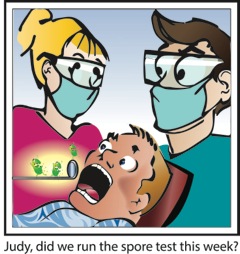
Sterilization monitoring is a critical component of infection control in dental practices. One of the…
Flu Season Reminder for Dental Offices – CDC Guidance Highlights
 As flu season intensifies, dental healthcare personnel (DHCP) play a vital role in protecting both patients and staff from seasonal influenza (flu) transmission. The US Center for Disease Control and Prevention’s (CDC’s) infection prevention and control guidelines for flu underscore that comprehensive, multi-layered measures are essential in all healthcare settings, including dental offices.
- Promote Seasonal Influenza Vaccine
Annual flu vaccination is the single most effective way to prevent flu infection. DHCP should be encouraged to receive the flu vaccine each year, and offices should support vaccine access and uptake among all team members and eligible patients. High vaccination coverage reduces the risk of flu spread between staff and patients. - Minimize Potential Exposures
Implement administrative measures to reduce transmission risk. This includes:
- Screening patients for respiratory symptoms at appointment scheduling and upon arrival.
- Reinforcing respiratory hygiene and cough etiquette for everyone in the practice.
- Providing masks and hand hygiene supplies at entry and throughout the clinic.
- Encouraging symptomatic individuals to reschedule non-urgent visits or use telehealth when appropriate.
- Manage Ill DHCP
DHCP exhibiting fever or respiratory symptoms should not report to work and, if present in the clinic, should cease patient care activities immediately, don a mask, and notify their supervisor. DHCP should stay home until at least 24 hours after fever resolves without the use of fever-reducing medicines. Policies that support sick leave without penalty help ensure symptomatic DHCP do not feel compelled to work while infectious. - Follow Standard and Droplet Precautions
Adherence to standard precautions, including consistent hand hygiene and appropriate personal protective equipment, is always necessary when providing patient care. For patients with suspected or confirmed flu, droplet precautions should be maintained, including placing patients in a private area when possible and ensuring DHCP wear masks when within close contact.
- Environmental and Practice Controls
Routine environmental cleaning and disinfection of frequently touched surfaces should be upheld. Visual alerts about hygiene and etiquette, such as CDC’s Cover Your Cough Poster, spatial separation in waiting areas, and other engineering controls (such as barriers or optimized airflow) help further reduce risk.
In summary: A proactive approach combining vaccination, symptom screening, respiratory hygiene, sick leave policies, and routine infection control practices protects your dental team and your patients. With flu circulating widely each year, reinforcing these core strategies ensures your practice remains a safe environment for oral health care.
For our OSHA Review subscribers… The March/April 2023 issue of OSHA Review in Section I of your binder covers requirements to minimize occupational exposure to aerosol transmissible diseases (ATDs)
OSHA Review, Inc. a registered continuing education provider in the State of California, specializing in Dental Practice Act, infection control, and Cal/OSHA training. OSHA Review subscribers in California receive updated regulatory compliance and infection control training thorough our bi-monthly newsletter.

Related Posts